Nost-algia (2024)
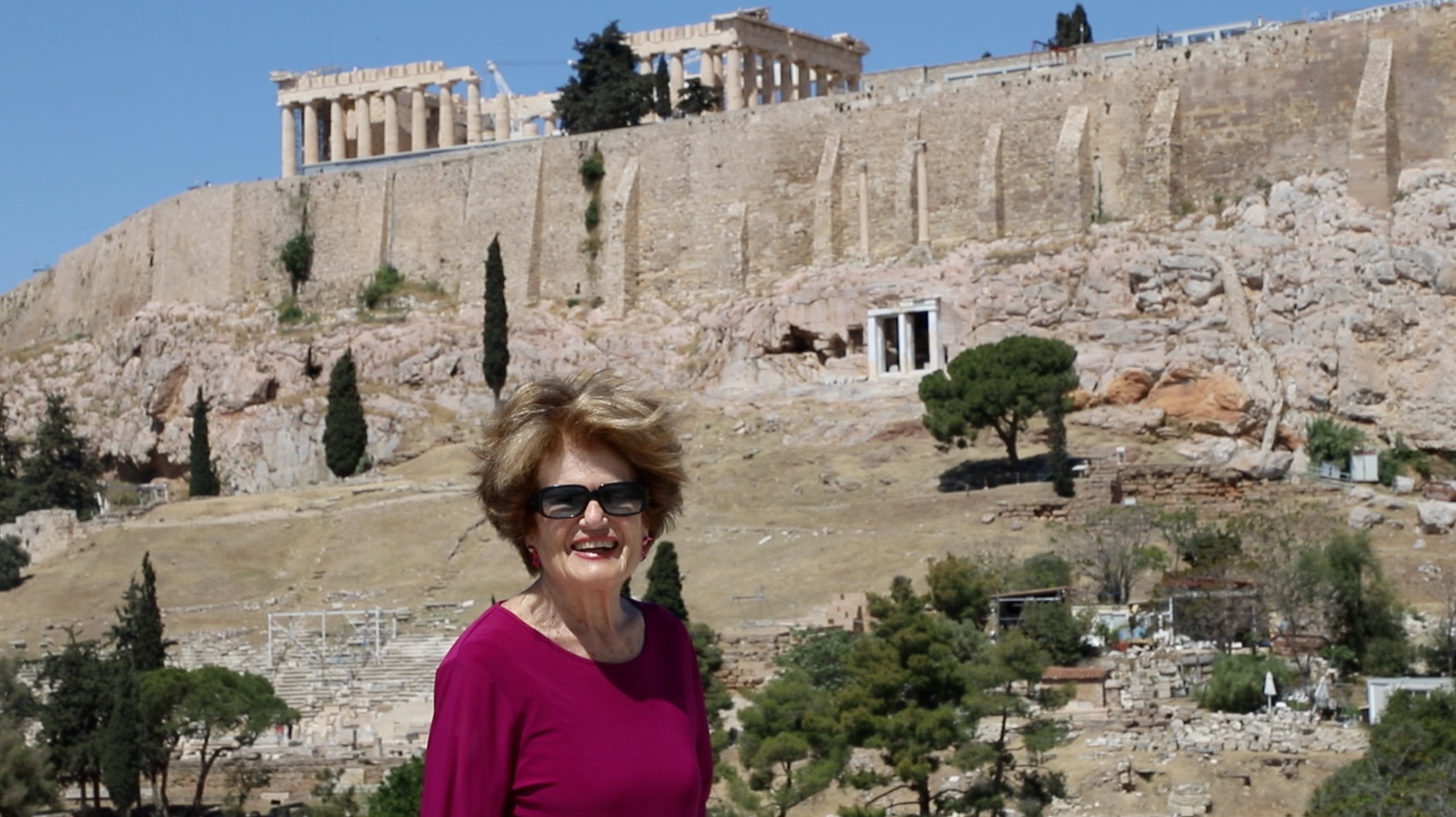
Nost-algia is a poetic film exploring themes of belonging, displacement, and cultural heritage through the interconnected cities of Athens and London. Inspired by the debate surrounding the Parthenon (Elgin) Marbles, the film moves beyond political discourse to reflect on the universal experience of longing for home. Its title draws from the Greek word “νοσταλγία” (nostalgia), meaning a yearning to return home, grounding the film in ideas of memory, place, and emotional attachment. Through intimate interviews with Stuart O’Hara, a member of the British Committee for the Reunification of the Parthenon Marbles, and Maro Stamatiadou, member of the Athens-London diaspora, who spent equal parts of her life between both cities, the film juxtaposes political and personal experiences of displacement and belonging. Maro becomes a living embodiment of diaspora, symbolically reflecting the journey of the marbles themselves: suspended between cultures, histories, and notions of home. Mirrored imagery of both cities, illustrations of the marbles, intimate testimony and the melancholic rhythms of Manos Hadjidakis’ The Waltz of Lost Dreams, the film invites viewers to contemplate how nostalgia can exist between places, generations, and histories; reveals home not as a fixed location, but as an emotional and evolving state of being.
Cultural Activism &
The Marbles Debate
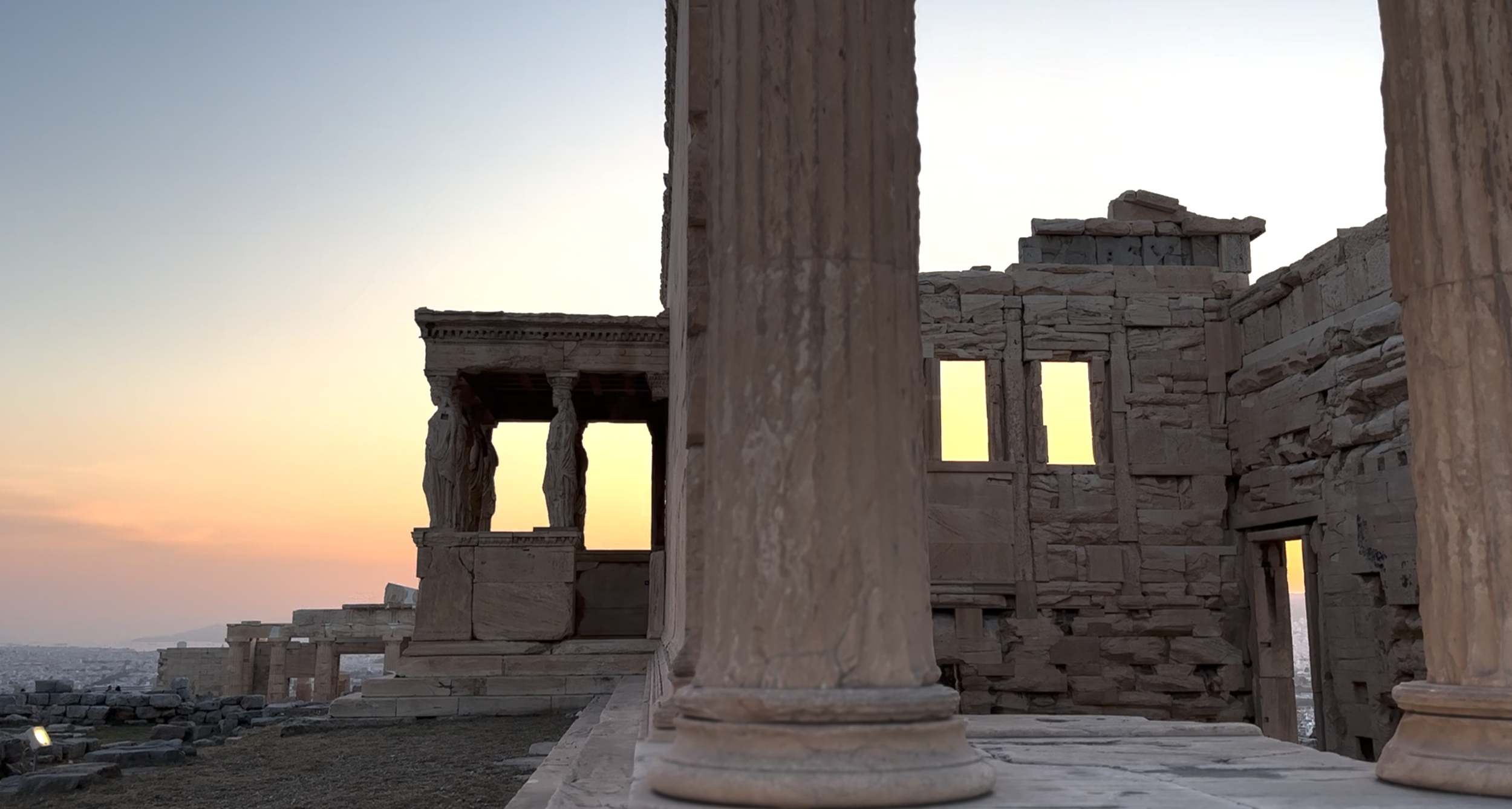
Beyond its poetic exploration of nostalgia and belonging, Nost-algia also engages with ongoing conversations surrounding cultural restitution, memory, and the rightful home of the Parthenon (Elgin) Marbles.